
First-time investor
Start with clear goals and a realistic picture of ownership. We help you frame the questions, understand the transaction, and identify the professional support needed to evaluate your first opportunity.
SMART MOVE / REAL ESTATE INVESTING
The Right Property. The Right Numbers. The Right Strategy.
Whether you're evaluating your first investment or making your next portfolio decision, Smart Move helps you explore opportunities throughout South Jersey and Greater Philadelphia with clear questions, local knowledge, and a thoughtful strategy.
We bring property and transaction context to the conversation, helping you weigh the evidence, understand the risks, and make informed decisions.
Different + Better. A practical approach to your next investment.

01 / YOUR GOALS SET THE DIRECTION
New to investing or experienced in ownership, you deserve a plan built around your objectives and the actual property.
Start with clear goals and a realistic picture of ownership. We help you frame the questions, understand the transaction, and identify the professional support needed to evaluate your first opportunity.
Look beyond advertised rent. Review property condition, tenancy records, operating costs, financing, and management responsibilities against your holding period and income objectives.
Connect the improvement idea to a practical scope, contractor input, carrying costs, and contingency budget. Test feasibility and exit assumptions before treating potential value as a result.
Bring your acquisition criteria and portfolio priorities. We help you assess property and transaction details, compare opportunities consistently, and consider how the next acquisition or sale fits your plan.
02 / ANALYSIS BEFORE ASSUMPTIONS
A useful analysis makes both the inputs and the uncertainty visible. Review the whole ownership picture, not a single headline figure.
Consider the acquisition price alongside closing costs and the cash needed after closing. A lower price alone does not establish a sound investment.
Separate immediate repairs, planned improvements, and larger replacements. Obtain appropriate estimates and allow for scope changes, delays, and carrying costs.
Distinguish documented rent and lease terms from estimated future rent. Check the evidence behind assumptions; advertised or potential income is not guaranteed.
Review property taxes, insurance, management, owner-paid utilities, maintenance, and other property-specific costs. Missing records are questions to resolve, not zero expenses.
Plan for unoccupied periods, turnover, and possible collection shortfalls. Test whether available reserves could cover costs when rental income is lower or delayed.
Compare cash received with operating costs, debt payments, and planned reserves or capital spending. Make inclusions explicit and test less favorable scenarios.
Capitalization rate relates net operating income to a stated purchase price or value. Net operating income generally excludes debt service and income taxes; cap rate is not the same as an owner's cash return.
Return measures depend on the cash invested, income, costs, financing, holding period, and exit assumptions. Compare definitions carefully. No measure guarantees income, appreciation, or a future result.
03 / FROM OBJECTIVES TO OWNERSHIP
A connected journey, with room for property-specific questions and informed decisions along the way.
Clarify your strategy, holding period, property preferences, management capacity, and tolerance for uncertainty.
Review available capital, liquidity, reserves, and financing options with qualified lending and financial professionals.
Use agreed criteria to focus the search on properties that merit further investigation, rather than chasing projected returns alone.
Review condition, income and expense evidence, comparable property context, and municipality-specific questions. Keep estimates separate from verified facts.
Coordinate inspections and appropriate reviews of leases, records, use, insurance, and local requirements. Resolve questions with qualified professionals.
Evaluate price, terms, contingencies, and responsibilities together. Due diligence and negotiations may overlap as the agreement allows.
Coordinate the agreed milestones, funding, and settlement preparations with the transaction professionals involved.
Arrange management, repairs, and ongoing recordkeeping as appropriate. Review actual operations against assumptions and adapt with professional guidance.
This roadmap is educational, not a fixed transaction sequence. Steps may overlap or change, and timing and obligations depend on the property, agreement, financing, and transaction. Consult qualified legal, tax, lending, and financial professionals about your circumstances.
04 / TWO MARKETS. PROPERTY-LEVEL PERSPECTIVE.
Property types, rental requirements, taxes, and operating conditions deserve local research. Avoid assuming that one municipality, neighborhood, or property operates like another.
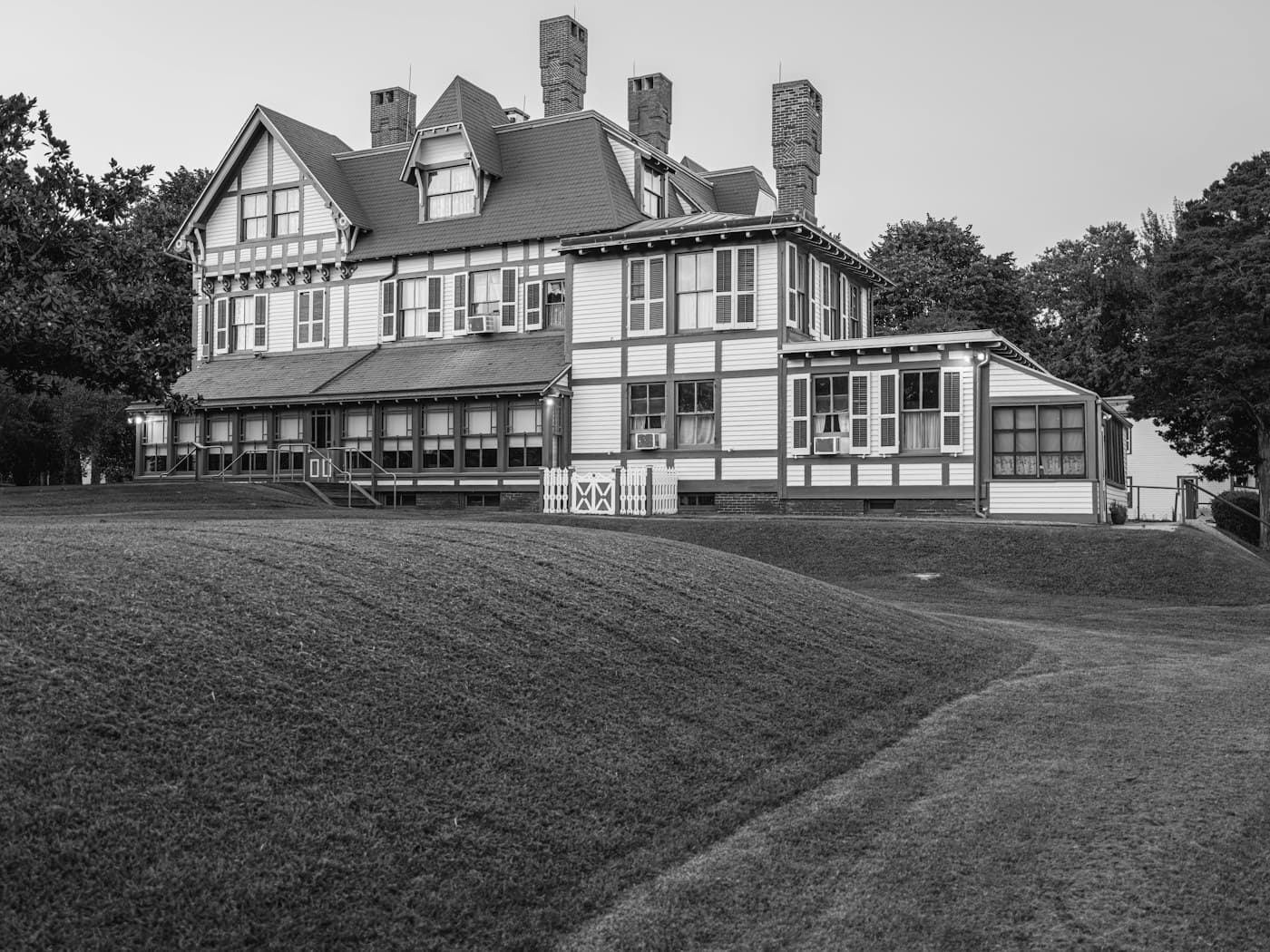
From inland communities to shore settings, investigate the actual property type, intended use, and ownership needs. Where a seasonal rental plan is being considered, verify its feasibility rather than assuming it is permitted or financially suitable.
Review applicable rental rules and municipal resources, current property taxes and possible changes, insurance, and neighborhood-level property evidence with appropriate professionals. Requirements and costs can differ by location and property.
From Philadelphia residential properties to surrounding suburban communities, review the building, unit configuration, intended use, and ownership needs. Verify permitted use rather than assuming an advertised layout establishes lawful rental units.
Review applicable rental rules and municipal resources, current property taxes and possible changes, insurance, and neighborhood-level property evidence with appropriate professionals. Requirements and costs can differ by location and property.
Illustrative photographs, not Smart Move listings or transactions and not examples of investment availability. Used under the Unsplash License. County guides are starting points for further research, not investment recommendations.
DIFFERENT + BETTER
Bring your goals, your property questions, and the assumptions you want to examine. Whether it's your first investment or your next portfolio decision, let's start with a conversation.